
Semen Analysis
A semen analysis, also known as a spermiogram, is the primary test used to assess male fertility. It allows the evaluation of a semen sample, analysing both its general characteristics and the quality and behaviour of the sperm cells.
When combined with a Post-Wash Semen Analysis (REM – Motile Sperm Count), it provides additional information about the sperm’s functional capacity and reproductive potential, which is particularly useful when determining the most appropriate fertility treatment.
What Is a Semen Analysis?
A semen analysis is the initial investigation used to assess the male factor in fertility. It evaluates both the macroscopic and microscopic parameters of semen, providing valuable information about:
- The function of the male reproductive glands.
- Possible semen abnormalities.
- Male reproductive potential.
It is a simple test, but it represents an essential first step in any male fertility assessment.
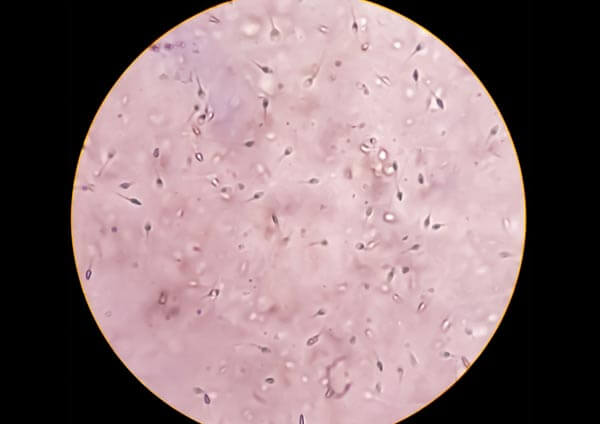
What Is a REM Semen Analysis?
A REM semen analysis evaluates the survival and functional capacity of sperm after undergoing a process known as sperm preparation (capacitation).
Capacitation refers to the series of physiological changes that sperm must undergo in order to fertilise an egg.
In the laboratory, this process is replicated using specialised techniques such as:
- Swim-up.
- Density gradient centrifugation.
REM (Motile Sperm Count) indicates the number of progressively motile sperm obtained after sperm preparation.
This parameter can help fertility specialists determine which assisted reproduction treatment may be most appropriate for each patient.
What Parameters Are Evaluated in a Semen Analysis?
Macroscopic Semen Parameters
pH
The pH measures the acidity or alkalinity of the semen sample.
A normal semen pH is 7.2 or higher.
Abnormal pH values may indicate issues affecting the accessory sex glands, such as the seminal vesicles or prostate.
Colour and Appearance
Normal semen typically has an opalescent, whitish-yellow appearance.
Changes in colour, transparency, or the presence of abnormal elements may indicate specific underlying conditions and should be reported as part of the semen analysis.
Volume
The normal semen volume is:
≥ 1.4 mL
≤ 6 mL
Abnormal volume results may be classified as:
- Hypospermia: low semen volume.
- Hyperspermia: high semen volume.
Semen volume may vary depending on the period of sexual abstinence and other clinical factors.
Liquefaction
Following ejaculation, semen should become liquid within approximately 20 minutes at room temperature.
If liquefaction takes longer than 60 minutes, it is considered abnormal and should be noted in the laboratory report.
Microscopic Semen Parameters
Sperm Concentration
Sperm concentration indicates the number of sperm cells per millilitre of semen, as well as the total sperm count within the sample. Normal reference values are:
- ≥ 16 million sperm/mL.
- ≥ 39 million sperm per ejaculate.
Values below these thresholds are referred to as oligozoospermia.
Sperm Motility
Sperm motility assesses the ability of sperm to move effectively.
The following categories are evaluated:
- PR (Progressive Motility) – sperm moving actively forward.
- NP (Non-Progressive Motility) – sperm moving but without effective forward progression.
- IM (Immotile Sperm) – sperm showing no movement.
Normal motility values are:
- PR > 30%.
- PR + NP ≥ 42%.
Reduced sperm motility is known as asthenozoospermia.
Sperm Vitality
Sperm vitality measures the percentage of living sperm cells present in the semen sample. A normal value is:
- > 54% live sperm.
Values below this threshold are referred to as necrozoospermia, indicating a reduced proportion of viable sperm cells.
Sperm Agglutination
Sperm agglutination refers to the abnormal adhesion of motile sperm cells to one another.
The presence of sperm agglutination may suggest an immunological factor affecting fertility and could require further investigation through additional diagnostic testing.
Other Cellular Components
A semen sample may also contain other cellular elements, including:
- Epithelial cells.
- Germ cells.
- White blood cells (leukocytes).
The presence of more than:
- 1 million leukocytes/mL is referred to as leukocytospermia and may indicate inflammation or infection within the male reproductive tract.
Sperm Morphology
Sperm morphology evaluates the shape and structure of sperm cells, including the:
- Head.
- Midpiece.
- Tail.
According to strict Kruger (Tygerberg) criteria, a normal result is:
- ≥ 4% normal forms.
Values below this level are classified as teratozoospermia.
Morphology is an important parameter because abnormalities in sperm shape may affect the sperm’s ability to reach and fertilise the egg.
Who Is a Semen Analysis and REM Test Recommended For?
A semen analysis is the first-line test recommended as part of any male fertility assessment, whether in the context of trying to conceive naturally or before undergoing fertility treatment. In many cases, semen analysis and REM testing help guide treatment planning and support the selection of the most appropriate fertility treatment for each individual case.
A REM semen analysis is recommended when a more detailed evaluation of the sperm’s true fertilising capacity is required.
Both tests are particularly recommended in the following situations:

Difficulty achieving pregnancy after several months of trying to conceive.

Initial assessment before starting fertility treatment.

Abnormal results in a previous semen analysis.

Fertilisation failure during previous fertility treatments.
Recurrent miscarriage or repeated implantation failure without an apparent cause.

As part of the evaluation when deciding between IUI, IVF, or ICSI.
Frequently Asked Questions About Semen Analysis
To ensure reliable and accurate results, we recommend:
- Maintaining 2 to 5 days of sexual abstinence.
- Avoiding recent infections or fever whenever possible.
- Avoiding alcohol consumption before the test.
Following any specific instructions provided by your fertility specialist
These recommendations help ensure the sample accurately reflects your fertility potential.
Yes. An abnormal semen analysis does not mean that fatherhood is impossible.
There are a variety of additional investigations and assisted reproduction treatments available that allow many men with altered semen parameters to pursue effective fertility treatment options.
The semen analysis is only one part of the fertility assessment and must always be interpreted within the context of the patient’s overall reproductive health.

Request Your Consultation with No Obligation
At Gaia Fertility, we view semen testing as a comprehensive assessment rather than a collection of isolated figures. Semen analysis and REM testing help personalise treatment planning, avoid unnecessary interventions, and identify the most appropriate fertility pathway based on each patient’s individual circumstances.
At Gaia Fertility, we view semen testing as a comprehensive assessment rather than a collection of isolated figures. Semen analysis and REM testing help personalise treatment planning, avoid unnecessary interventions, and identify the most appropriate fertility pathway based on each patient’s individual circumstances.