
Endometriosis
Endometriosis is a common gynaecological condition that can affect both quality of life and fertility.
It is characterised by the presence of tissue similar to the endometrium outside the uterus, which may cause pain, menstrual disturbances, and difficulties in achieving pregnancy.
Its diagnosis and treatment require a specialised assessment to determine the most appropriate approach in each case.
What Is Endometriosis?
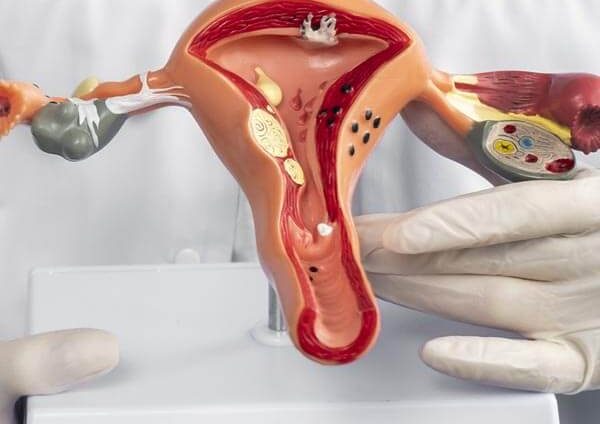
Endometriosis is a benign, chronic condition in which tissue similar to the endometrium is found outside the uterus, primarily in the ovaries, peritoneum, or uterine ligaments.
This abnormal location triggers an inflammatory process that may affect ovarian function, the fallopian tubes, and fertility.
Although its exact origin is not fully understood, hormonal, genetic, and immunological factors are involved.
How Does Endometriosis Affect the Body and Fertility?
Endometriosis is characterised by the ability of endometrial-like tissue to implant and grow outside the uterus, triggering an inflammatory process that may affect different organs and fertility. Ectopic endometrial tissue is capable of:
- Surviving outside the uterus.
- Adhering to other tissues.
- Proliferating and invading nearby structures.
- Developing its own blood supply.
This behaviour explains both the symptoms and its possible impact on fertility.
What Are the Symptoms?
Symptoms of endometriosis vary from woman to woman. Some women experience significant discomfort, while others have few or no symptoms. The most common include:
- Severe Menstrual Pain (Dysmenorrhoea): Pain during menstruation that may interfere with daily life.
- Chronic Pelvic Pain: Persistent pain in the lower abdomen or pelvic area.
- Pain During Sexual Intercourse: Many women with endometriosis experience pain during or after sexual intercourse.
- Fertility Problems: Endometriosis may make pregnancy more difficult.
- Heavy or Irregular Menstrual Bleeding: Some women may experience unusually heavy periods.
- Digestive or Urinary Symptoms: Symptoms such as abdominal bloating may occur.
- Fatigue or Tiredness: Chronic inflammation and recurrent pain may cause feelings of fatigue or exhaustion.
Types of Endometriosis and Their Impact on Fertility
Endometriosis can present in different forms depending on its location and depth.
This classification is important because each type may have a different impact on symptoms and fertility. The classification of endometriosis is essential to determine the most appropriate treatment and reproductive approach for each patient.
Superficial Endometriosis
Primarily affects the peritoneum and is usually the mildest form.
In general, it has a lower impact on fertility, although it may be associated with pelvic pain.
Ovarian Endometriosis
Located in the ovaries, where it may lead to cysts known as endometriomas.
It may affect ovarian reserve and egg quality, influencing fertility.
Deep Endometriosis
Infiltrates deeper tissues and may affect organs such as the bowel, bladder, or uterine ligaments. It is usually associated with more severe pain and may have a greater impact on fertility.
Endometriosis and Fertility: Can It Affect Pregnancy?
Endometriosis may affect fertility in some cases, although not all women with this condition experience infertility. Its impact is due to different alterations in the reproductive system that may interfere with fertilisation and embryo implantation.

Reduced ovarian reserve, especially in cases of endometriomas.

Impaired egg quality, which may affect fertilisation.
Inflammatory changes in the pelvic environment, making reproduction more difficult.
Fallopian tube involvement, preventing the egg and sperm from meeting.

Alterations in the endometrial microbiota, which may influence embryo implantation.
Treatment of Endometriosis and Fertility Improvement Options
Treatment for endometriosis depends on the patient’s age, symptom severity, and reproductive goals. There is no single treatment suitable for all cases, which is why an individualised assessment is essential to define the most appropriate strategy.
- Medical (hormonal) treatment, aimed at controlling pain and reducing endometrial tissue activity.
- Surgery, in selected cases, to remove endometriosis lesions or endometriomas.
- Assisted reproduction treatments, when there is difficulty achieving pregnancy.
- A combined approach, tailored to each patient and clinical situation.
The goal of treatment is to improve quality of life, control symptoms, and optimise the chances of pregnancy according to each individual case.
For women wishing to conceive, it is especially important to plan treatment while taking into account reproductive timing and the characteristics of endometriosis.
Book Your Consultation
At GAIA, we understand endometriosis as a complex condition requiring a comprehensive assessment of both its gynaecological and reproductive impact. Our goal is to relieve symptoms, preserve fertility, and choose the most appropriate strategy for each individual case.
At GAIA, we understand endometriosis as a complex condition requiring a comprehensive assessment of both its gynaecological and reproductive impact. Our goal is to relieve symptoms, preserve fertility, and choose the most appropriate strategy for each individual case.