
Genetic Compatibility Test (GCT)
The Genetic Compatibility Test (GCT) is an advanced genetic screening test that helps identify whether two individuals carry genetic mutations that could increase the risk of passing on serious inherited disorders to their children.
It is a preventive tool designed to provide greater clarity, reassurance, and confidence when making reproductive decisions, whether planning a natural pregnancy or undergoing fertility treatment.
What Is a Genetic Compatibility Test (GCT)?
The Genetic Compatibility Test, also known as preconception genetic carrier screening, is a genetic study used to identify mutations associated with autosomal recessive and X-linked inherited conditions.
The test uses advanced Next-Generation Sequencing (NGS) technology, allowing the analysis of a large panel of genes associated with serious hereditary disorders.
By identifying whether both partners carry mutations in the same gene, the test provides valuable information about the potential genetic risks for future children.
What Are Autosomal Recessive Disorders?
Autosomal recessive disorders are inherited genetic conditions that are generally uncommon but can have a significant impact on a child’s health and development.
Most people are healthy carriers of one or more genetic mutations without ever knowing it.
Being a carrier does not mean that a person has the condition or will develop symptoms in the future. However, when both partners carry a mutation in the same gene, there is:
- A 25% chance that their child could be affected by the condition.
- A 50% chance that the child will be an unaffected carrier.
For this reason, understanding genetic compatibility before pregnancy can provide valuable information and help guide future reproductive decisions.
When Is a Genetic Compatibility Test Recommended?
Although individuals may be completely healthy, anyone can be a carrier of a recessive genetic condition without knowing it. For this reason, Genetic Compatibility Testing can be considered by any couple before trying to conceive, whether naturally or through assisted reproduction treatment. The test is particularly recommended in the following situations:

Couples planning to start a family, either naturally or through fertility treatment.

A family history of inherited genetic disorders.

When there is a biological relationship between partners.

Fertility treatments involving donor eggs or donor sperm.

For consanguineous couples, the likelihood of carrying the same genetic mutations is increased, which makes genetic compatibility testing particularly important.
How Is the Genetic Compatibility Test Performed?
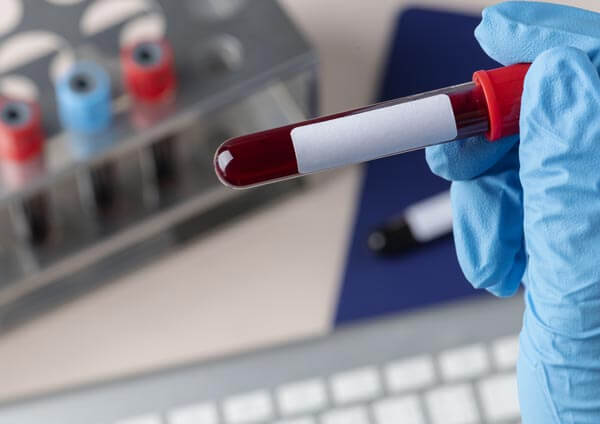
The Genetic Compatibility Test is performed using a simple blood sample.
The laboratory analyses the DNA of both partners to determine whether they carry mutations in the same genes associated with inherited disorders. This assessment can help couples:
- Understand their individual genetic reproductive risk
- Identify potential risks before attempting to conceive.
- Make informed and confident reproductive decisions.
The test is straightforward, non-invasive, and can provide valuable information before starting a family.
Frequently Asked Questions About Genetic Compatibility Testing
Genetic carrier screening is routinely performed on all egg and sperm donors.
It is also strongly recommended for patients undergoing fertility treatment using donor gametes.
By matching donors and recipients based on genetic compatibility, the risk of transmitting certain serious inherited conditions can be reduced significantly.
This helps maximise reproductive safety in fertility treatments involving donor eggs or sperm.
If the Genetic Compatibility Test reveals that both partners are carriers of the same inherited condition, several medical options may be available to reduce the risk of transmission. The most appropriate approach will depend on the specific genetic findings and the couple’s reproductive goals.
IVF with Preimplantation Genetic Testing (PGT)
One possible option is to undergo IVF combined with Preimplantation Genetic Testing (PGT).
Through this process, embryos are genetically analysed before transfer, allowing fertility specialists to identify and select embryos that are not affected by the specific inherited condition. This approach can significantly reduce the risk of passing on certain genetic disorders.
Donor Gametes
Another option may be the use of donor eggs or donor sperm.
In these cases, a compatible donor can be selected who does not carry the same genetic mutation, helping to minimise the risk of transmission.
The decision to use donor gametes is always highly personal and is discussed in detail with the fertility team to ensure patients receive all the information and support they need.

Book Your No-Obligation Consultation
At GAIA Fertility, we view the Genetic Compatibility Test as a tool for prevention rather than alarm. The purpose of genetic screening is not to create fear, but to provide clarity, knowledge, and options.
By understanding potential genetic risks before pregnancy, patients can make informed reproductive decisions with greater confidence, reassurance, and peace of mind.
Our goal is to provide every individual and couple with the information they need to build their family with the highest possible level of safety and support.
At GAIA Fertility, we view the Genetic Compatibility Test as a tool for prevention rather than alarm. The purpose of genetic screening is not to create fear, but to provide clarity, knowledge, and options.
By understanding potential genetic risks before pregnancy, patients can make informed reproductive decisions with greater confidence, reassurance, and peace of mind.
Our goal is to provide every individual and couple with the information they need to build their family with the highest possible level of safety and support.