
Reproductive Immunology
Reproductive immunology studies how the maternal immune system participates in the processes required for a pregnancy to begin and develop successfully. Far from being a passive observer, the immune system plays an active role in embryo implantation, placental development, and fetal growth.
How Does the Immune System Influence Implantation and Pregnancy?
When this immunological balance is disrupted, the immune system may respond inappropriately to the embryo, making proper implantation or early development more difficult. Instead of promoting a receptive uterine environment, excessive inflammatory responses may occur, or conversely, insufficient immune regulation may impair communication between the embryo and the endometrium.
As a result, difficulties such as repeated implantation failure, recurrent miscarriage, or pregnancies that fail to progress without an apparent cause may arise. Understanding these mechanisms allows for a more precise and personalised approach, adapting both assessment and treatment to the characteristics of each patient.
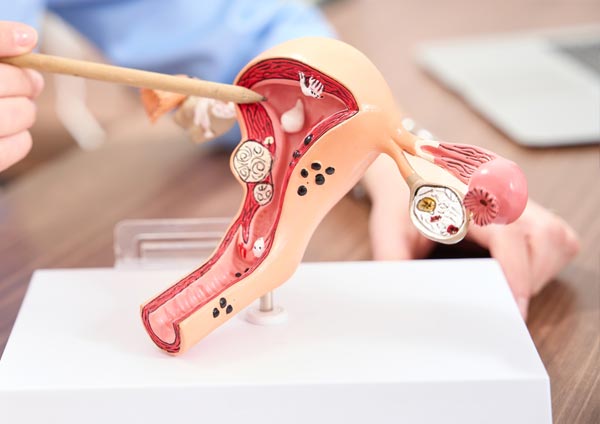
The Role of the Immune System During Pregnancy
During pregnancy, the maternal body must achieve something extraordinary: tolerating a genetically distinct embryo while continuing to protect itself against infections. To achieve this, certain immune cells in the endometrium acquire specific characteristics that:
- Promote embryo acceptance.
- Regulate the inflammatory response necessary for implantation.
- Protect both the mother and the developing fetus.
When this balance is disrupted, maternal–fetal tolerance may be compromised.
Immunological Alterations and Fertility
In these situations, it may be advisable to carry out specific investigations to assess the endometrial immune environment. In some cases, immune system alterations may be associated with:

Repeated implantation failure.

In cases of recurrent miscarriage.

Pregnancies that do not progress without an apparent cause.

Suspected endometrial immune abnormalities.
KIR / HLA-C: Immune Communication Between Mother and Embryo
One of the key aspects of reproductive immunology is the interaction between uterine natural killer (NK) cells and the embryo. These immune cells express receptors known as KIR, which interact with HLA-C molecules present on the embryo’s surface.
This communication regulates the immune response required for proper implantation and placental development.
Frequently Asked Questions About Reproductive Immunology
Immunological assessment is not part of a standard fertility evaluation, but it may be recommended in specific cases, especially when there is a complex reproductive history.
In these situations, specific tests such as an immunological compatibility test may be performed.
Testing may include:
- Natural killer (NK) cell analysis.
- KIR and HLA-C receptor studies.
- Antiphospholipid antibody testing.
Other investigations evaluating how the immune system responds during implantation.

Book Your Consultation
At GAIA Fertility Clinic, we approach reproductive immunology through an integrative and personalised perspective.
Immunological assessment allows us to go beyond what is visible, helping us understand why, in some cases, pregnancy does not progress despite the presence of good-quality embryos.
At GAIA Fertility Clinic, we approach reproductive immunology through an integrative and personalised perspective.
Immunological assessment allows us to go beyond what is visible, helping us understand why, in some cases, pregnancy does not progress despite the presence of good-quality embryos.