
MACS Sperm Selection: Advanced Sperm Selection Technology
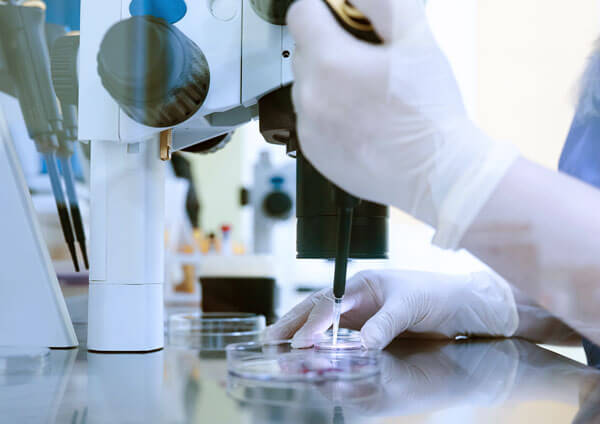
MACS is an advanced sperm selection technique that allows embryologists to identify and select sperm with greater cellular integrity, helping to reduce the likelihood of using damaged sperm cells during assisted reproduction treatment.
At GAIA Fertility Clinic, MACS is used as a complementary laboratory technique alongside IVF and, in selected cases, intrauterine insemination (IUI), particularly when a male factor may be affecting fertilisation, embryo development, or treatment outcomes.
What Is MACS?
MACS stands for Magnetic Activated Cell Sorting.
It is an advanced laboratory procedure that uses a magnetic separation system to distinguish healthy sperm cells from those showing signs of apoptosis (programmed cell death) or cellular damage. Sperm undergoing apoptosis often exhibit:
- Sperm DNA fragmentation.
- Reduced fertilisation potential.
- A higher risk of producing embryos with limited developmental potential.
MACS allows embryologists to remove these damaged sperm cells and work with sperm that demonstrate greater cellular integrity and reproductive potential.
What Is MACS Used For?
MACS can help to:
- Improve the overall quality of the sperm sample used during fertility treatment.
- Reduce the impact of sperm DNA fragmentation.
- Support fertilisation outcomes.
- Help improve the quality of sperm selected for embryo development.
It is important to understand that MACS does not repair damaged DNA.
Instead, it helps identify and select sperm cells with lower levels of cellular damage, allowing the healthiest sperm to be used for treatment.
When Is MACS Recommended?
The decision to use MACS should always be individualised and based on the results of previous fertility investigations and clinical assessment. At Gaia Fertility Clinic, MACS may be considered in a variety of clinical situations, particularly when there is evidence that sperm quality may be affecting treatment outcomes. We commonly recommend evaluating the use of MACS in the following cases:

Elevated sperm DNA fragmentation.

Previous fertilisation failure during IVF treatment.

Poor-quality embryos without an obvious explanation.

Recurrent early miscarriage where a male factor may be contributing.

Situations where enhanced sperm selection may be beneficial.
How Does MACS Work?
- Sample Preparation: The semen sample is first processed in the laboratory and prepared according to standard sperm preparation protocols.
This initial stage allows embryologists to analyse and optimise the sample before MACS selection takes place. - Magnetic Microbeads: Specialised magnetic microbeads coated with Annexin V are added to the sperm sample. Annexin V is a molecule that binds to specific markers found on sperm cells undergoing apoptosis. This allows damaged sperm cells to be identified and targeted during the selection process.
- Magnetic Separation: The prepared sample is then passed through a column exposed to a magnetic field.
- During this process: Sperm cells showing signs of apoptosis become attached to the magnetic microbeads and are retained within the column. Healthy sperm cells, which do not bind to Annexin V, pass through the column freely. This creates a highly enriched sample containing sperm with greater cellular integrity.
- Final Sperm Selection: The selected sperm cells, which demonstrate better cellular quality and lower levels of damage, are then used in the planned fertility treatment. This carefully selected sample can subsequently be used for fertilisation procedures within assisted reproduction treatments.
Frequently Asked Questions About MACS
MACS can be used as an additional sperm selection technique in:
- In Vitro Fertilisation (IVF).
- Intracytoplasmic Sperm Injection (ICSI).
- Intrauterine Insemination (IUI) in selected cases.
MACS is always used as a complementary laboratory technique and not as a standalone fertility treatment.
Yes. MACS is considered a safe and non-invasive sperm selection technique.
The procedure does not modify the genetic material of the sperm and simply separates viable sperm cells from those showing signs of cellular damage. It simply separates viable sperm cells from those showing signs of cellular damage through a carefully controlled physical process.
Because MACS does not manipulate the genetic material of the sperm, it can be safely incorporated into assisted reproduction treatments when clinically indicated.
Request an Appointment with No Obligation
At GAIA Fertility Clinic, we see MACS as a precision tool. The goal is not to add unnecessary procedures, but to use the right technology when it can provide a meaningful benefit.
At GAIA Fertility Clinic, we see MACS as a precision tool. The goal is not to add unnecessary procedures, but to use the right technology when it can provide a meaningful benefit.