
Fluorescence In Situ Hybridization (FISH) in Sperm
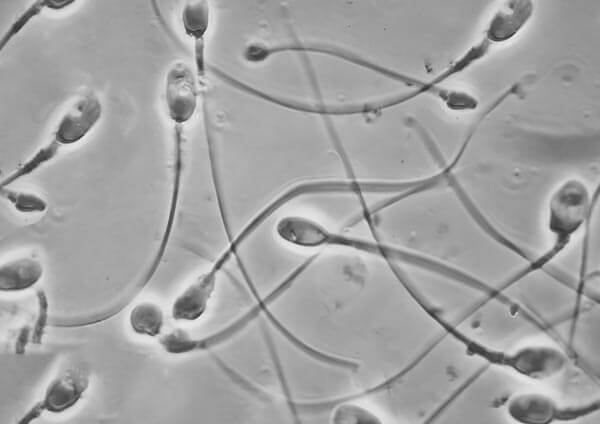
Fluorescence in situ hybridization (FISH) is a genetic test that analyzes the chromosomal composition of sperm using a semen sample. Its purpose is to detect chromosomal abnormalities that may affect male fertility and embryo development.
This study provides information that cannot be obtained through a conventional semen analysis, which is why it is considered a complementary test in the evaluation of male factor infertility.
What Is the FISH Technique?
FISH (Fluorescence In Situ Hybridization) is a cytogenetic technique used to study the genetic material of sperm through fluorescent probes.
These probes bind specifically to certain chromosomes and emit a signal visible under the microscope, making it possible to count the number of chromosomal copies present in each sperm cell.
What Is Fluorescence In Situ Hybridization in Sperm Used For?
The FISH test makes it possible to identify these types of abnormalities before starting or continuing an assisted reproduction treatment.
Humans are diploid, meaning they have two copies of each of the 23 chromosome pairs. During sperm production, this number must be reduced by half through a cell division process called meiosis. If meiosis does not occur correctly, sperm may develop with an abnormal chromosomal composition, which is associated with:
- Difficulty achieving pregnancy.
- Fertilization failure.
- Abnormal embryo development.
- Increased risk of miscarriage.
Which Other Techniques Is FISH Combined With?
Fluorescence in situ hybridization does not replace other male fertility tests; rather, it complements them. It provides a deeper understanding of the genetic quality of semen, even when conventional semen parameters appear normal.
ICSI Technique
An in vitro fertilization technique in which a single sperm is injected directly into the egg to support fertilization in cases of male factor infertility or other indications.
PGT Genetic Testing
A genetic study performed on embryos before transfer to detect chromosomal or genetic abnormalities.
MACS
A sperm selection method used to identify and separate sperm with the best quality, reducing those showing signs of cellular damage.
Sperm DNA Fragmentation Test
A test that evaluates the integrity of sperm DNA, providing key information about semen quality and its impact on fertility.
EmbryoScope
A continuous monitoring incubation system that allows embryo development to be observed without removing embryos from the incubator, optimizing the selection of embryos with the highest developmental potential.
When Is FISH in Sperm Recommended?
The decision to perform FISH testing should always be based on an individualised medical assessment. The FISH test is commonly recommended in situations such as:

Severe abnormalities in semen quality.

Repeated fertilization failure in previous treatments.

Poor-quality embryos with no apparent cause.
When recurrent miscarriages occur.
Suspected chromosomal abnormalities in the male partner.
Frequently Asked Questions About the FISH Technique
Typically, FISH in sperm analyzes:
- Sex chromosomes X and Y.
- Chromosomes 13, 18, and 21.
These chromosomes are particularly associated with clinically relevant genetic abnormalities. Depending on the patient’s medical history, the analysis may be extended to include additional chromosomes.
To obtain reliable results, approximately 2,000 sperm cells per sample are usually analyzed.
FISH analysis makes it possible to:
- Determine the percentage of sperm with chromosomal abnormalities
- Assess whether these levels fall within or outside the normal range.
- Help define the most appropriate reproductive strategy.
It is a particularly useful tool when there are concerns regarding the genetic origin of certain reproductive failures.
Book Your Consultation
At GAIA Fertility Clinic, we use the FISH test as a precision tool, recommended only when it provides genuine clinical value. Our goal is not to simply request more tests, but to request the right tests at the right time, always with a clear explanation and personalised guidance.
At GAIA Fertility Clinic, we use the FISH test as a precision tool, recommended only when it provides genuine clinical value. Our goal is not to simply request more tests, but to request the right tests at the right time, always with a clear explanation and personalised guidance.