
Adenomyosis
Adenomyosis is a common gynecological condition in women of reproductive age that can affect both quality of life and fertility. It is characterized by the presence of endometrial tissue within the muscular wall of the uterus, which may cause pain, heavy menstrual bleeding, and difficulties in achieving or maintaining a pregnancy.
What Is Adenomyosis?
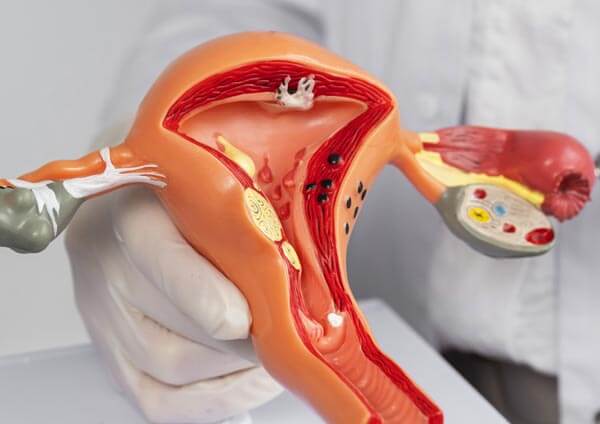
Adenomyosis is a benign, chronic disease in which endometrial tissue is located within the muscular layer of the uterus (the myometrium). This infiltration alters the structure and normal functioning of the uterus.
What Symptoms Can Adenomyosis Cause?
The symptoms of adenomyosis can vary greatly from one woman to another. Some patients experience no symptoms, while others may develop symptoms that significantly affect their quality of life. Among the most common symptoms of adenomyosis are:
- Very heavy menstrual bleeding (menorrhagia).
- Severe menstrual pain (dysmenorrhea).
- Chronic pelvic pain.
- A sensation of pressure or an enlarged uterus.
In some cases, especially in women trying to conceive, adenomyosis may not produce obvious symptoms and may only become apparent through difficulty achieving or maintaining a pregnancy.
Adenomyosis and Fertility: How It Affects Pregnancy
Adenomyosis may affect fertility and present more difficulties when trying to achieve pregnancy, both naturally and/or through assisted reproduction treatments. Its impact is associated with different uterine alterations that may interfere with embryo implantation.

Altered uterine contractility, making embryo implantation more difficult.
Changes in endometrial receptivity.
Chronic inflammation of uterine tissue.
Disruption of the uterine environment required for embryo development.
As a consequence, adenomyosis may be associated with implantation failure, lower pregnancy rates, and a higher risk of early pregnancy loss, especially in patients undergoing assisted reproduction treatments. Not all women with adenomyosis experience infertility, but its presence may be a relevant factor to consider during fertility assessment.
Diagnosis of Adenomyosis: How It Is Detected
The diagnosis of adenomyosis is mainly based on imaging tests performed by experienced specialists, as it can be a difficult condition to identify in some cases.
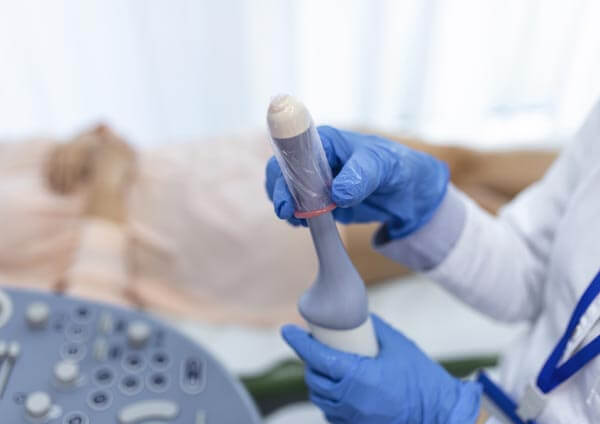
- Specialized transvaginal ultrasound (high-resolution and 3D ultrasound), which can detect characteristic signs within the myometrium.
- Magnetic resonance imaging (MRI), particularly useful in complex cases or when there is diagnostic uncertainty.
An accurate diagnosis is essential for planning the treatment and defining the most appropriate reproductive strategy. The specialist’s expertise is key to correctly interpreting findings and avoiding underdiagnosis.
Our approach is to evaluate each case individually in order to optimise uterine conditions before embryo transfer, adjusting timing and supporting every decision with clear, realistic, evidence-based information.
Treatment of Adenomyosis and Fertility Improvement Options
Treatment for adenomyosis depends on the patient’s age, the severity of symptoms, and reproductive goals. Not all women require the same approach, which is why individualised assessment is essential.
In patients wishing to conceive, the main objective is to improve uterine conditions in order to support embryo implantation and increase the chances of pregnancy.
- Hormonal treatment, aimed at reducing endometrial tissue activity and uterine inflammation.
- Personalised endometrial preparation, especially in assisted reproduction treatments.
- Adjustment of embryo transfer timing, optimising endometrial receptivity
- Combined management, in cases where adenomyosis coexists with endometriosis or other conditions.
The treatment approach should always be personalized, taking into account the specific characteristics of adenomyosis and each patient’s reproductive history, with the goal of maximizing the chances of pregnancy.
Frequently Asked Questions About Adenomyosis
The fundamental difference between these two conditions lies in the location of the endometrial tissue:
- In endometriosis, the tissue is found outside the uterus, such as in the ovaries, peritoneum, or other organs within the abdominal cavity.
- In adenomyosis, endometrial tissue invades the muscular wall of the uterus, known as the myometrium.
- This intramyometrial location explains many of its effects on uterine contractility, endometrial receptivity, and embryo implantation.
The main difference between both conditions is the location of endometrial tissue. In adenomyosis, this tissue is found within the muscular wall of the uterus (the myometrium), whereas in endometriosis it is located outside the uterus, such as in the ovaries or the peritoneum.
You can explore the differences between both conditions in more detail on our dedicated page about endometriosis and adenomyosis.
Adenomyosis does not always prevent pregnancy, but it may make conception more difficult in some cases. Its presence may affect embryo implantation and early pregnancy development due to changes in the uterus, such as altered contractility, reduced endometrial receptivity, or an inflammatory environment.
However, many women with adenomyosis achieve pregnancy, either naturally or through assisted reproduction treatments. Its impact on fertility depends on the severity of the condition, the patient’s age, and the possible coexistence of other conditions, such as endometriosis.
For this reason, individualized evaluation is essential to determine the best approach and optimize the chances of pregnancy in each case.
Adenomyosis is not a malignant disease, but it can have a significant impact on the patient’s quality of life and fertility. Not all women experience symptoms or reproductive difficulties, which is why not all cases require the same management approach.
The key is to assess the extent of the condition, its clinical impact, and each woman’s personal and reproductive stage of life.
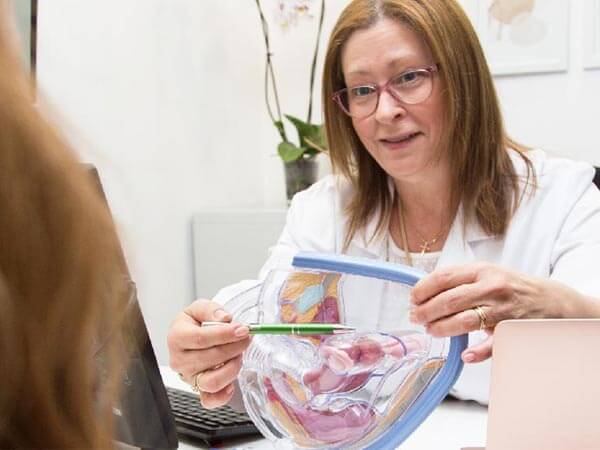
At Gaia, we approach adenomyosis from a comprehensive and personalized perspective. We assess its severity, its impact on the uterus, and its relationship with each patient’s reproductive history.
Request an Appointment with No Obligation
At GAIA we approach adenomyosis from a comprehensive and personalized perspective. We analyze its degree, its impact on the uterus and its relationship with each patient’s reproductive history.
At GAIA we approach adenomyosis from a comprehensive and personalized perspective. We analyze its degree, its impact on the uterus and its relationship with each patient’s reproductive history.